Las nuevas tecnologías han supuesto todo un reto para el hombre desde sus inicios. Para las personas que han nacido cercanos al año 2000 el mundo no es muy diferente de lo que hoy se encuentran ante sus pupilas pero en cambio, para personas jóvenes o que están en la treintena todo es muy diferente.
En este artículo queremos hablar más detenidamente de la importancia del avance en las nuevas y cómo éstas nos han ayudado a disponer de muchos resultados pero también la manera en la que han centrado el miedo en según que personas o industrias -miedo a la idea de que ésta se apodere de todo lo que antes hacíamos manualmente, por ejemplo-

No obstante, existen muy buenos defensores del porno y de british porn videos todo lo que esto conlleva y la realidad a la que actualmente estamos semi sometidos. Por otra parte, es interesante anotar que cada vez estamos yendo a más y que para nada los avances que tenemos ahora son los que había antes puesto que poco a poco, vemos la evolución tan interesante con la que contamos y para la que muchas personas están dispuestas.
¿Estamos realmente sometidos a las nuevas tecnologías?
A la pregunta de si estamos sometidos o no a las nuevas tecnologías debemos decir que sí que es cierto que hay un poco de sometimiento en este sentido. Por norma general nadie decide si estamos de acuerdo en automatizar las cosas sino que nos las encontramos hechas como tal y nada más.
El ciudadano no es alguien que vaya eligiendo sobre qué es lo que prefiere o cómo de “modernas” le gustan las cosas sino que, cuando se quiere dar cuenta, ya se encuentra atrapado en este parecer. Dicho esto, es importante saber que la tecnología va por delante de nosotros sin que tengamos de alguna forma, el derecho a decidir por nuestras vidas de manera inmediata.
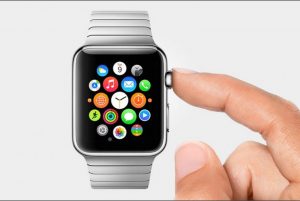
Debemos ser conscientes de que todo esto en parte es bastante positivo puesto que estamos ante un estilo de vida que gusta y motiva pero que en cambio, asusta en según qué medida sobre todo si lo miramos desde cerca y sin ningún filtro.
La tecnología, el “demonio” del futuro
Sabemos bien que los avances tecnológicos están con nosotros de nuestra mano y no creemos bajo ningún concepto que vayan a cambiar pero en cierta medida, suponen todo un riesgo para el estilo de vida porn movies tradicional que a más de uno de nosotros nos gusta llevar declarado y no queremos abandonar bajo ningún concepto.
Internet es una bestia potente que cada día tiene más poder sobre nosotros y en algunos aspectos hay quién piensa que la única finalidad real en su haber, es que podamos estar controlados al máximo consiguiendo que el resto del mundo sepa exactamente todo lo que somos, con quién nos relacionamos o el trabajo que llevamos.
En cualquier caso, la tecnología también nos ha ayudado a muchas cosas y en este punto debemos estar agradecidos porque ciencias tan importantes como la medicina han logrado bastante a partir de ella y así, es como nosotros hemos ido un poco más hacia adelante.